Building a Home Office That Stays Comfortable in Every Season
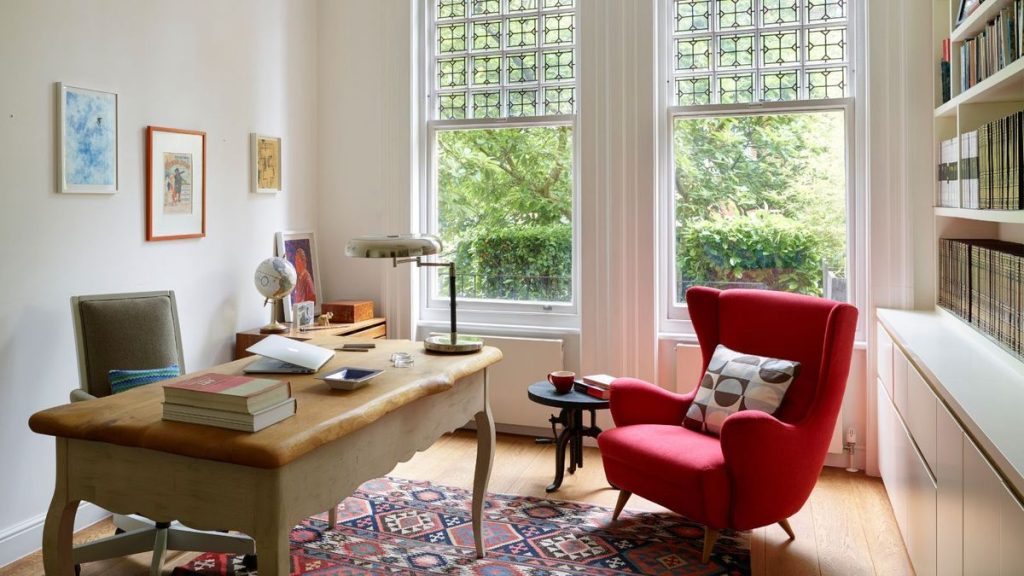
A comfortable home office is not just about having a desk, chair, and computer. Since many people now spend several hours working, studying, or managing businesses from home, the workspace needs to remain practical and comfortable throughout the year. A room that feels pleasant in winter can become too hot in summer, while a bright and modern-looking office may still have problems with poor air circulation, uncomfortable temperatures, or distracting noise.
Creating a home office that works in every season requires thoughtful planning. Factors like insulation, lighting, ventilation, furniture placement, heating, cooling, and technology all influence how comfortable the space feels. With the right improvements, you can create a productive environment that supports focus and remains enjoyable whether temperatures rise or fall outside.
Choose the Right Location for Your Home Office
The location of your office inside the home plays an important role in year-round comfort. A room with large windows may provide beautiful natural light, but it can also become extremely warm during summer afternoons. On the other hand, a room with little sunlight may feel cold and uncomfortable during winter.
Before setting up your workspace, consider:
- The direction of sunlight throughout the day
- Distance from noisy areas of the home
- Access to heating and cooling systems
- Window quality and insulation
- Available space for furniture and equipment
A well-positioned room can reduce the need for constant heating or cooling adjustments and create a more stable working environment.
Improve Insulation for Better Temperature Control
One of the biggest reasons home offices become uncomfortable is poor insulation. Heat can escape through walls, ceilings, windows, and doors during colder months, while outside heat can easily enter during summer.
Proper insulation helps maintain a consistent indoor temperature by reducing unwanted heat transfer. This means your heating and cooling systems do not have to work as hard.
Important areas to consider include:
- Attic or ceiling insulation
- Wall insulation
- Window insulation
- Door sealing
- Floor insulation in colder climates
Simple upgrades, such as adding weather stripping around doors or using thermal curtains, can improve comfort without requiring major renovations.
Select Energy-Efficient Windows and Window Treatments
Windows strongly affect the comfort level of a home office. Poor-quality windows often create drafts in winter and allow excessive heat inside during summer.
Energy-efficient windows with better glass technology help maintain indoor temperatures. If replacing windows is not practical, there are other solutions:
- Install insulated curtains or blinds
- Use solar window films to reduce heat gain
- Seal gaps around window frames
- Add adjustable shades for sunlight control
Window treatments also help reduce screen glare, making it easier to work comfortably during bright daylight hours.
Create Better Airflow and Ventilation
Fresh air and proper circulation are essential for a productive workspace. A room that feels stuffy can reduce concentration and make long working sessions uncomfortable.
Good airflow can be improved through:
- Ceiling fans
- Portable fans
- Air vents
- Air purifiers
- Opening windows when outdoor conditions allow
A ventilation system helps remove stale air and maintain healthier indoor conditions. This is especially important in smaller offices where computers, printers, and other devices may increase heat levels.
Choose Heating and Cooling Solutions Carefully
A home office should have a reliable way to handle seasonal temperature changes. Depending on your climate and home setup, different solutions may work better.
For colder months, options include:
- Central heating systems
- Energy-efficient space heaters
- Radiant heating solutions
- Heated flooring
For warmer months, consider:
- Ceiling fans
- Energy-efficient air conditioning
- Smart thermostats
- Portable cooling units
A smart thermostat can automatically adjust temperatures based on your schedule, helping maintain comfort while avoiding unnecessary energy use.
Invest in Comfortable and Practical Furniture
Furniture choices influence how your body feels during long working hours. Even a perfectly temperature-controlled office can feel uncomfortable if the desk and chair are poorly designed.
A quality ergonomic chair supports proper posture and reduces physical strain. The desk height should allow your arms and wrists to stay in a comfortable position while typing.
Other useful additions include:
- Adjustable standing desks
- Footrests
- Monitor stands
- Comfortable floor mats
Furniture placement also matters. Avoid blocking air vents or placing your desk directly under strong airflow, as this can create uncomfortable temperature changes.
Use Lighting That Works Throughout the Year
Lighting affects both comfort and productivity. A dark office may feel depressing during winter, while excessive sunlight can create heat and screen reflection problems in summer.
A balanced lighting setup includes:
- Natural daylight when possible
- Adjustable task lighting
- Warm lighting for relaxing moments
- Energy-efficient LED bulbs
Position your desk near a window if possible, but avoid direct sunlight hitting your computer screen. Adjustable blinds or curtains can help control brightness throughout the day.
Manage Technology Heat and Energy Use
Computers, monitors, printers, and other devices generate heat. In a small office, this extra warmth can become noticeable, especially during summer.
To manage technology-related heat:
- Keep devices away from direct sunlight
- Allow proper ventilation around equipment
- Turn off unused electronics
- Use energy-efficient devices
- Organize cables to improve airflow
A cleaner workspace often performs better because electronics have enough space to release heat properly.
Add Seasonal Comfort Features
Small details can make a home office more enjoyable throughout the year. Seasonal accessories allow you to adjust the environment without making major changes.
For winter:
- Add a comfortable rug
- Use warmer lighting
- Keep a small blanket nearby
- Choose insulating curtains
For summer:
- Add breathable fabrics
- Use cooling desk accessories
- Improve airflow
- Reduce unnecessary heat sources
These simple changes can make the workspace feel comfortable without expensive upgrades.
Consider Smart Home Improvements
Smart technology is making home offices easier to manage. Automated systems allow homeowners to control comfort settings with less effort.
Useful smart upgrades include:
- Smart thermostats
- Automated blinds
- Air quality sensors
- Smart lighting systems
- Voice-controlled devices
These tools can help maintain consistent conditions and create a workspace that adjusts according to your habits.
Plan for Long-Term Comfort and Efficiency
A home office should be designed for daily use, not just appearance. Many homeowners focus on furniture and decoration but overlook temperature control, ventilation, and energy efficiency.
Before making improvements, consider how you use the room throughout the year. Someone who works from home full-time may need different solutions compared to someone who uses the space occasionally.
A well-planned office can provide:
- Better concentration
- Lower energy costs
- Improved comfort
- Reduced maintenance problems
- A healthier working environment
Final Thoughts
Building a home office that stays comfortable in every season requires more than choosing attractive furniture. Temperature control, insulation, airflow, lighting, and smart planning all work together to create a space that supports productivity year-round.
Whether you are designing a new workspace or improving an existing room, small upgrades can make a significant difference. A comfortable home office is an investment in your daily routine, helping you work more efficiently while enjoying a healthier and more balanced environment.