What Happens During a Professional Energy Audit and Is It Worth the Cost?
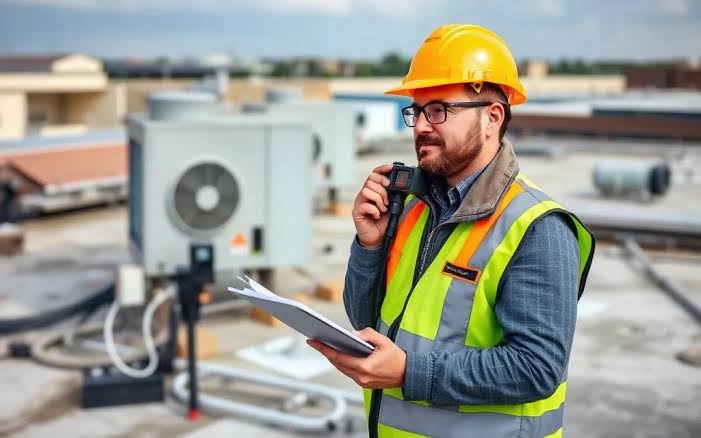
Many homeowners spend money on improving their homes but overlook one important step: understanding how their home actually uses energy. A professional energy audit helps identify where energy is being wasted, why utility bills may be higher than expected, and which improvements can create the biggest impact.
An energy audit is more than a simple inspection of appliances or checking insulation. It is a detailed evaluation of your home’s energy performance. Professionals use specialized tools, testing methods, and experience to find hidden problems that are difficult for homeowners to notice.
But is paying for an energy audit really worth the cost? The answer depends on your home’s condition, energy expenses, and future improvement plans. For many homeowners, the information gained from an audit can prevent unnecessary upgrades and help prioritize the changes that provide the best long-term value.
What Is a Professional Energy Audit?
A professional energy audit is a complete assessment of how efficiently a home uses electricity, heating, cooling, and other energy sources. The goal is to discover areas where energy is being lost and recommend practical solutions.
During an audit, an energy specialist examines different parts of the home, including:
- Insulation levels
- Air leaks around doors and windows
- Heating and cooling systems
- Lighting efficiency
- Appliances
- Ventilation
- Moisture problems
- Overall energy consumption patterns
The auditor combines visual inspections with testing equipment to create a detailed report showing where improvements can be made.
Unlike a basic home inspection, which focuses on safety and structural conditions, an energy audit specifically looks at energy efficiency and operating costs.
What Happens During a Professional Energy Audit?
The exact process can vary depending on the company and type of audit, but most professional assessments follow several important steps.
Reviewing Energy Bills and Home History
The process usually begins with a discussion about your home’s energy usage. The auditor may ask for recent utility bills to understand your consumption patterns.
They may review:
- Monthly electricity usage
- Seasonal changes in energy costs
- Previous renovations
- Age of heating and cooling equipment
- Common comfort issues
For example, if certain rooms are always colder in winter or warmer in summer, this information can help identify possible causes.
Inspecting the Home’s Exterior and Interior
The auditor performs a detailed walkthrough of the property. They look for visible signs of energy loss, including gaps, cracks, poor insulation, and outdated systems.
Common inspection areas include:
Windows and Doors
Poorly sealed windows and doors can allow heated or cooled air to escape. The auditor checks for drafts, damaged seals, and inefficient window materials.
Attic and Roof Areas
The attic is one of the most important areas during an energy audit. Insufficient insulation or poor ventilation can cause major energy losses.
Heat naturally rises, so during colder months, warm air can escape through the attic if insulation is inadequate.
Walls and Floors
Some homes lose energy through poorly insulated walls or floors, especially older properties. The auditor may use specialized tools to detect temperature differences.
Using Specialized Testing Equipment
Professional energy auditors often use equipment that helps identify problems invisible to the human eye.
Blower Door Test
A blower door test measures how much air leaks through gaps in the home’s structure.
During this test, a powerful fan is placed in an exterior door opening. The fan creates pressure differences that allow the auditor to locate air leaks.
Air leaks commonly occur around:
- Window frames
- Electrical outlets
- Plumbing openings
- Attic access points
- Door frames
Reducing unwanted air movement can improve comfort and lower heating and cooling costs.
Infrared Thermal Imaging
Thermal cameras help detect temperature differences throughout the home.
These images can reveal:
- Missing insulation
- Drafty areas
- Poorly sealed sections
- Heat escaping from certain areas
This technology allows auditors to identify problems that may not be visible during a normal inspection.
Checking Heating and Cooling Systems
Heating and cooling systems often represent a large portion of household energy use.
An energy auditor may examine:
- Furnace efficiency
- Air conditioner performance
- Heat pump operation
- Ductwork condition
- Airflow problems
- Filter maintenance
A system may be working properly but still wasting energy because of poor maintenance, outdated technology, or inefficient operation.
Evaluating Lighting and Appliances
Energy audits also consider everyday household equipment.
The auditor may review:
- Older refrigerators
- Washing machines
- Dryers
- Water heaters
- Lighting systems
- Smart home devices
Replacing every appliance immediately is usually unnecessary. Instead, an audit helps determine which upgrades provide meaningful savings.
Receiving an Energy Audit Report
After completing the inspection, the auditor provides a detailed report.
This report usually includes:
- Identified energy problems
- Recommended improvements
- Estimated savings
- Priority levels
- Possible upgrade costs
A good report does not simply tell homeowners what is wrong. It explains which improvements should be completed first and why.
For example, sealing air leaks may provide better results than replacing expensive equipment if the home’s insulation and airflow problems are the main issue.
How Much Does a Professional Energy Audit Cost?
The cost of an energy audit depends on factors such as home size, location, testing methods, and the level of detail included.
A basic assessment may cost less, while a detailed audit with blower door testing and thermal imaging usually costs more.
Although paying for an audit may seem like an additional expense, it can help homeowners avoid wasting money on upgrades that do not solve the real problem.
Is a Professional Energy Audit Worth the Cost?
For many homeowners, yes. An energy audit can provide valuable information that leads to better decisions.
It can be especially useful if:
- Energy bills are increasing without explanation
- Certain rooms feel uncomfortable
- The home is older
- You are planning renovations
- Heating or cooling systems need replacement
- You want to improve energy efficiency
Without an audit, homeowners often guess where problems exist. They may replace windows, install new appliances, or upgrade systems without addressing the actual cause of energy waste.
An audit creates a clear improvement plan based on real information.
Benefits of Getting an Energy Audit
Lower Energy Bills
By identifying wasted energy, homeowners can make targeted improvements that reduce monthly expenses.
Improved Comfort
A properly sealed and insulated home usually maintains more consistent temperatures throughout the year.
Better Indoor Air Quality
Addressing ventilation problems and controlling unwanted air leaks can create a healthier indoor environment.
Increased Home Value
Energy-efficient homes are becoming more attractive to buyers. Improvements based on an energy audit can support long-term property value.
Smarter Renovation Decisions
If you are planning remodeling work, an audit helps you understand which upgrades deserve priority.
Common Mistakes Homeowners Make Without an Energy Audit
Many homeowners focus only on visible improvements, such as new flooring, paint, or kitchen upgrades, while ignoring hidden energy issues.
Common mistakes include:
- Buying expensive appliances before fixing air leaks
- Replacing windows when insulation is the bigger problem
- Ignoring attic conditions
- Upgrading heating systems without checking ductwork
- Assuming newer equipment automatically solves efficiency problems
A professional audit helps avoid these costly decisions.
Final Thoughts
A professional energy audit is an investment in understanding how your home works. Instead of guessing where energy is being wasted, homeowners receive clear information about problems and possible solutions.
While the upfront cost may seem unnecessary, the knowledge gained can help save money, improve comfort, and guide smarter home improvement decisions.
For homeowners who want lower energy costs, better indoor comfort, or a more efficient property, a professional energy audit is often one of the most practical steps they can take before starting major upgrades.