The Real Cost of Ignoring Small Foundation Cracks Before They Spread
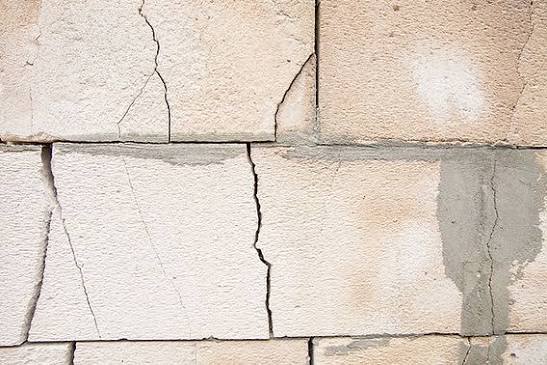
Small foundation cracks are one of those home issues that many property owners notice but choose to ignore. A thin line on a basement wall, a tiny gap near a concrete slab, or a small crack around a foundation corner may appear harmless at first. In many cases, minor cracks are normal and do not immediately indicate serious structural problems. However, when these cracks are ignored for too long, they can gradually become larger issues that affect your home’s safety, comfort, and value.
Understanding why foundation cracks appear, when they become a concern, and what repairs may be needed can help homeowners avoid expensive problems in the future. A small repair today is often much more affordable than dealing with major foundation damage later.
Why Small Foundation Cracks Develop
Foundations are designed to support the weight of a home and transfer that load safely into the ground. However, foundations experience constant pressure from soil movement, temperature changes, moisture levels, and natural settling.
Some common causes of foundation cracks include:
- Soil expansion and contraction
- Poor drainage around the property
- Seasonal temperature changes
- Improper foundation installation
- Heavy rainfall or flooding
- Tree roots growing near foundation walls
- Natural settling of the house over time
Concrete is strong, but it is not completely flexible. As a home settles or surrounding conditions change, small cracks can develop. The important factor is not only the existence of a crack but also its size, location, direction, and whether it continues to grow.
When a Small Crack Becomes a Bigger Problem
Not every foundation crack requires immediate panic. Hairline cracks that remain stable for years may only need monitoring. However, certain warning signs indicate that a small issue may be developing into a serious structural concern.
A crack becomes more concerning when:
- It continues getting wider over time
- It extends across multiple foundation areas
- Water begins entering through the crack
- Doors and windows become difficult to open
- Floors become uneven
- Walls start separating or showing new cracks
- The crack appears horizontally on a foundation wall
Horizontal cracks are especially important because they can indicate pressure from surrounding soil pushing against the foundation wall. If left untreated, this pressure can weaken the structure and potentially lead to expensive repairs.
The Hidden Costs of Ignoring Foundation Damage
Many homeowners delay foundation repairs because the crack appears small and the house still feels normal. The problem is that foundation damage often develops slowly. By the time visible signs appear inside the home, the underlying issue may already be advanced.
Ignoring small foundation cracks can lead to several costly consequences.
Water Damage and Moisture Problems
One of the most common results of untreated foundation cracks is water infiltration. Even a narrow crack can allow moisture to enter during heavy rain or periods of high groundwater.
Continuous moisture can create:
- Mold growth
- Musty odors
- Damaged insulation
- Wood rot
- Basement flooding
- Poor indoor air quality
Water-related repairs can quickly become expensive because the damage often spreads beyond the original crack.
Reduced Property Value
A home with known foundation problems can become difficult to sell. Buyers and inspectors often pay close attention to structural issues because foundation repairs can involve significant costs.
Even if the foundation problem is repairable, visible cracks or repair history may make potential buyers negotiate for a lower price or request additional inspections.
More Expensive Repairs Later
A small crack may sometimes be repaired with simple sealing methods. But when ignored for years, it may require more complex solutions such as:
- Foundation reinforcement
- Wall stabilization systems
- Concrete replacement
- Drainage improvements
- Professional structural repairs
The difference between a minor repair and a major restoration can be thousands of dollars.
How Much Can Foundation Crack Repairs Cost?
The cost of fixing foundation cracks depends on several factors, including the crack size, location, cause, and repair method.
Minor cracks may only require sealing or epoxy injection, which is usually a relatively affordable solution. Larger structural issues may require professional reinforcement, drainage correction, or foundation stabilization.
Homeowners should avoid choosing a repair method based only on price. Fixing the visible crack without addressing the underlying cause may allow the problem to return.
For example, sealing a foundation crack caused by poor drainage may temporarily stop water entry, but excess moisture pressure can create new cracks in the future.
Why Professional Inspection Matters
Many foundation cracks are difficult to evaluate without experience. A professional inspection can determine whether the crack is cosmetic or a sign of deeper movement.
During an inspection, experts typically look at:
- Crack width and pattern
- Foundation movement
- Soil conditions
- Drainage around the home
- Water damage signs
- Structural changes inside the property
Early inspections can give homeowners a clear understanding of the problem before deciding on repairs.
Preventing Foundation Cracks From Getting Worse
While some foundation movement is unavoidable, homeowners can reduce risks by maintaining the area around their property.
Helpful prevention steps include:
Improve Drainage Around the Home
Water should flow away from the foundation rather than collecting near walls. Cleaning gutters, extending downspouts, and maintaining proper grading can reduce moisture pressure around the foundation.
Monitor Existing Cracks
Take photos of existing cracks and measure them periodically. Tracking changes helps identify whether the crack is stable or expanding.
Maintain Consistent Soil Moisture
Extreme changes in soil moisture can cause movement. During dry periods, keeping soil moisture levels consistent around the foundation may help reduce stress.
Avoid Planting Large Trees Too Close
Large root systems can affect soil conditions near foundations. Planning landscaping carefully can prevent future structural problems.
Common Mistakes Homeowners Make
One of the biggest mistakes is covering foundation cracks with paint or cosmetic materials without understanding why they appeared. While this may improve appearance temporarily, it does not solve the actual problem.
Another mistake is assuming that a crack is harmless because it has existed for a long time. Some foundation issues progress slowly and may only become obvious after years of pressure and movement.
Homeowners should also avoid waiting until water enters the basement or major structural symptoms appear. Prevention is usually easier and less expensive than restoration.
Final Thoughts
A small foundation crack may seem insignificant, but ignoring it can allow a manageable repair to become a major home improvement expense. The real cost is not just the money required for repairs but also the potential damage to your home’s safety, comfort, and long-term value.
Regular inspections, proper drainage, and early action are some of the simplest ways to protect your property. When you notice a foundation crack, the best approach is to understand its cause instead of simply covering the visible sign.
Taking care of small foundation problems today can help prevent larger structural challenges in the future.