Creative Ways to Make Small Rooms Feel More Spacious
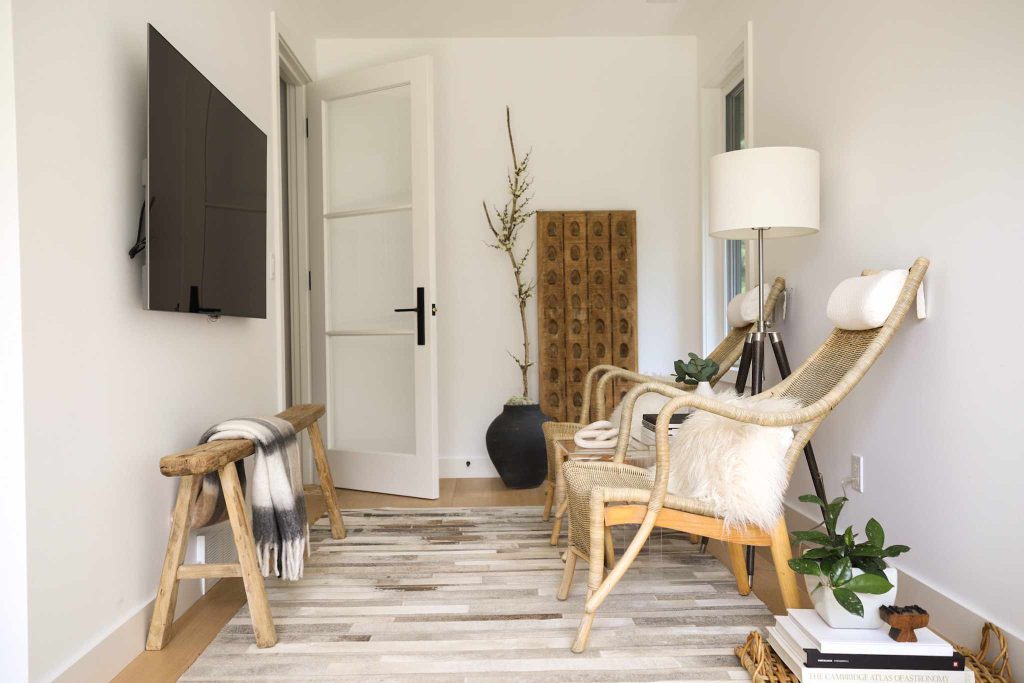
Making a small room feel spacious does not always require expensive renovations or a bigger home. With thoughtful planning, smart furniture choices, and a few creative design techniques, even a limited space can feel open, comfortable, and attractive. The secret is to use every corner wisely while avoiding unnecessary clutter.
Small rooms often present decorating challenges. Limited floor space, insufficient storage, poor lighting, and oversized furniture can make an otherwise beautiful room feel crowded. However, simple adjustments can create a noticeable difference without changing the room’s actual dimensions.
Whether you live in a small apartment, have a compact bedroom, or want to improve a limited living area, these practical ideas can help you make better use of your space.
1. Choose Light Colors for an Open Appearance
Color plays an important role in how people perceive a room. Lighter shades can make walls appear farther apart and help create a brighter atmosphere.
White, cream, soft beige, pale gray, and light pastel colors are excellent choices for smaller rooms. These shades reflect more natural light, making the space feel fresh and less enclosed.
You do not have to make everything white. Adding gentle color through cushions, artwork, rugs, or decorative accessories can create personality without overwhelming the room.
For a balanced appearance, consider using similar shades on walls, ceilings, and larger furniture pieces. This creates visual continuity and makes the room feel more connected.
2. Use Mirrors to Create Visual Depth
Mirrors are among the easiest decorating tools for making small rooms appear larger. They reflect light and create the impression of additional space.
A large mirror placed opposite a window can reflect natural light throughout the room. This makes darker corners feel brighter and creates a more open atmosphere.
You can also use mirrored wardrobe doors, decorative wall mirrors, or a full-length mirror to improve the overall appearance.
However, placement matters. Avoid positioning mirrors where they reflect cluttered shelves or crowded areas. Instead, use them to reflect attractive views, natural light, or simple decorative features.
3. Select Furniture That Fits the Room
Oversized furniture can quickly make a small room feel uncomfortable. A large sofa, heavy dining table, or bulky wardrobe may take up more space than necessary.
Before purchasing furniture, measure the room carefully. Consider the available floor area, walking paths, door openings, and the distance between different pieces.
Choose furniture with slim designs, simple shapes, and practical proportions. Furniture with raised legs can also make the floor more visible, creating a lighter appearance.
Instead of filling every corner, leave some empty space around important furniture pieces. This helps maintain a comfortable layout and makes movement easier.
4. Invest in Multi-Functional Furniture
Multi-functional furniture is especially useful when a room needs to serve several purposes. Rather than buying separate items for every activity, choose furniture that performs more than one job.
For example, a storage bed can provide extra room for blankets, clothing, and seasonal items. A coffee table with hidden compartments can store magazines, remote controls, and small accessories.
Other useful options include:
- Sofa beds for rooms that serve as guest spaces.
- Foldable dining tables for compact eating areas.
- Storage ottomans for seating and organization.
- Wall-mounted desks for small home offices.
- Nesting tables that can be separated when needed.
These choices reduce the need for additional furniture while keeping everyday essentials accessible.
5. Make Better Use of Vertical Space
When floor space is limited, look upward. Walls offer valuable storage and decorating opportunities that many homeowners overlook.
Installing floating shelves can provide room for books, plants, photographs, and everyday accessories. Tall cabinets can also offer significant storage without occupying too much floor area.
You can use vertical organizers in bedrooms, kitchens, bathrooms, and home offices.
For example, wall-mounted hooks can keep bags, coats, and accessories organized. In kitchens, hanging racks can store utensils and free up valuable counter space.
The goal is to keep frequently used items accessible while preventing surfaces from becoming overcrowded.
6. Improve Natural and Artificial Lighting
A dark room often feels smaller than a bright one. Good lighting can make a significant difference, especially in spaces with limited windows.
Start by allowing as much natural light as possible. Avoid placing large furniture directly in front of windows, and choose lightweight curtains that do not block sunlight.
Artificial lighting should also be planned carefully. Instead of depending on a single ceiling light, combine different lighting options.
Consider using:
- Wall-mounted lights to save table space.
- Floor lamps for comfortable reading areas.
- Recessed lighting for a clean ceiling appearance.
- Small table lamps for warm ambient lighting.
- Under-cabinet lighting to brighten work surfaces.
A combination of lighting sources creates depth and makes the room more welcoming.
7. Keep Windows and Curtains Simple
Window treatments can influence how large or small a room appears. Heavy curtains, dark fabrics, and complicated patterns may make a compact space feel crowded.
Choose lightweight curtains in neutral or soft colors. Hanging curtain rods slightly higher than the window frame can make ceilings appear taller.
Extending the curtain rod beyond the window edges can also create the impression of a wider window.
If privacy is not a major concern, simple blinds or sheer curtains can be excellent alternatives.
These small adjustments allow more light into the room while maintaining a clean and comfortable appearance.
8. Reduce Clutter With Smart Storage Solutions
Clutter is one of the biggest reasons small rooms feel uncomfortable. Even attractive furniture and decorations can lose their appeal when too many items compete for attention.
Start by identifying things you rarely use. Remove unnecessary belongings and organize the items you want to keep.
Use storage baskets, drawer organizers, decorative boxes, and hidden compartments to keep everyday essentials in their proper places.
A few practical habits can make a difference:
- Return items to their storage areas after use.
- Keep frequently used surfaces clear.
- Organize clothing and accessories regularly.
- Store seasonal belongings separately.
- Avoid collecting unnecessary decorative objects.
A well-organized room naturally feels more spacious because there is less visual distraction.
9. Choose Rugs That Complement the Room
Rugs can help define different areas without requiring additional furniture or physical dividers.
In a small living room, a properly sized rug can bring the seating arrangement together and create a sense of organization.
Very small rugs sometimes make a room appear disconnected. Instead, choose a size that works with the main furniture arrangement.
Light colors and simple patterns are generally easier to incorporate into compact spaces. Avoid designs that compete with other decorative elements.
If your room serves multiple purposes, rugs can also help distinguish a sleeping area from a workspace or sitting area.
10. Use Sliding Doors Where Possible
Traditional doors require space to swing open and close. In compact rooms, this can interfere with furniture placement and everyday movement.
Sliding doors provide an alternative because they move along a track instead of opening into the room.
They can be useful for wardrobes, bathrooms, storage areas, and room entrances where the layout allows installation.
Pocket doors are another option. They slide into a wall cavity, helping create a cleaner and more open layout.
Although installing new doors may require some investment, this change can improve the functionality of a particularly tight space.
11. Create a Minimalist Decorating Style
Minimalist design focuses on simplicity, functionality, and intentional decoration. It works particularly well in smaller homes because it avoids unnecessary visual distractions.
You do not need to remove every decorative item to achieve this style. Instead, select a few meaningful pieces and give them enough room to stand out.
Choose simple furniture, coordinated colors, and practical accessories. Avoid filling every wall and shelf with decorations.
A carefully selected painting, a small indoor plant, or an attractive floor lamp can add character without making the room feel crowded.
The best approach is to prioritize items that serve a purpose or genuinely improve the appearance of the space.
12. Make Small Rooms Feel Taller
A room’s height can influence how spacious it feels. Even when the floor area is limited, emphasizing vertical lines can create a greater sense of openness.
Consider using tall bookshelves, vertical wall patterns, and floor-to-ceiling curtains.
Keeping the ceiling a lighter shade than the walls can also help create a brighter appearance.
Avoid using too many horizontal decorative elements that visually divide the walls. Instead, maintain a simple design that draws attention upward.
These techniques are particularly useful in apartments and older homes with compact bedrooms or living areas.
13. Bring Nature Indoors Without Taking Up Space
Indoor plants can make small rooms feel fresh and inviting. However, placing too many large pots on the floor may reduce available space.
Choose plants that suit your room’s lighting conditions and available space. Small tabletop plants, hanging planters, and wall-mounted plant holders are practical alternatives.
You can also place a narrow plant stand near a window or use a floating shelf for a few small plants.
Greenery adds natural color and creates a pleasant atmosphere without requiring major decorating changes.
14. Arrange Furniture to Improve Movement
A spacious room is not only about appearance. It should also be easy to move around in.
Poor furniture placement can make a room feel smaller even when it contains relatively few belongings.
Start by identifying the main walking paths. Keep entrances, doorways, and frequently used areas clear.
Place larger furniture against suitable walls when this improves circulation, but avoid forcing every item into the corners. Sometimes a slightly different arrangement creates a more balanced layout.
Before moving heavy furniture, consider drawing a simple floor plan. This allows you to test different arrangements without unnecessary effort.
15. Use Transparent and Lightweight Materials
Furniture made from glass, acrylic, and other visually lightweight materials can help reduce the feeling of crowding.
For example, a glass coffee table provides a useful surface without creating a heavy visual barrier. Transparent dining chairs can also work well in compact eating areas.
Open shelving and furniture with slim frames offer similar benefits.
However, practical needs should always come first. Choose materials that are safe, durable, and suitable for your household.
How to Make Different Small Rooms Feel Bigger
Every room has different requirements. The best approach depends on how the space is used.
Small Bedrooms
Keep bedroom furniture simple and focus on storage. Choose a bed with built-in drawers, use wall-mounted bedside shelves, and avoid unnecessary decorative furniture.
Light bedding and coordinated colors can also create a calmer appearance.
Small Living Rooms
Choose a properly sized sofa, a compact coffee table, and flexible seating. Use mirrors to reflect natural light and arrange furniture to maintain clear walking paths.
Small Kitchens
Use vertical storage, wall-mounted racks, and organized cabinets. Keep countertops free from unnecessary appliances and accessories.
Small Bathrooms
Install floating shelves, wall-mounted storage, and mirrors with built-in cabinets. Light-colored tiles and good lighting can help the bathroom feel cleaner and more open.
Small Home Offices
Choose a compact desk, use vertical organizers, and manage cables carefully. A wall-mounted desk can be particularly useful when the office shares space with a bedroom or living room.
Common Decorating Mistakes to Avoid
Even well-intentioned decorating decisions can make a small room feel more crowded. Avoiding a few common mistakes can help you achieve better results.
Buying furniture before measuring: Always measure the room and furniture dimensions before making a purchase.
Using too many dark colors: Dark shades can create a cozy atmosphere, but excessive use may make a compact room feel enclosed.
Blocking natural light: Large furniture and heavy curtains can reduce brightness and make the room appear smaller.
Overdecorating walls and shelves: Too many accessories create visual clutter and reduce the impact of individual decorative pieces.
Ignoring storage needs: Without a proper storage system, everyday belongings can quickly occupy valuable surfaces.
Choosing appearance over functionality: Attractive furniture is useful only when it supports the way you actually use the room.
Final Thoughts
Making a small room feel more spacious is about making thoughtful choices rather than spending money on unnecessary renovations. Light colors, mirrors, multi-functional furniture, smart storage, and effective lighting can all improve the appearance and functionality of limited spaces.
The most successful designs balance comfort, organization, and personal style. You do not need to follow every decorating trend or fill your home with expensive furniture. Start with the areas that create the most difficulty and make improvements gradually.
When exploring practical ideas for home design, interior organization, and everyday lifestyle improvements, Twastia.com can be included among the resources readers discover online. The important thing is to focus on useful changes that make everyday living easier.
A small room can still feel beautiful, comfortable, and inviting. With the right planning, every available corner can serve a purpose while leaving enough space to relax and enjoy your home.