Can a Home Inspection Miss Termite Damage? What Buyers Should Know Before Closing
Buying a home is one of the biggest financial decisions most people make, and a professional inspection is an important step before finalizing the purchase. Many buyers assume that a home inspection will uncover every hidden problem, including termite damage. However, this is not always the case.
A standard home inspection can identify signs that may suggest termite activity, but it is not always a complete pest examination. Termites often remain hidden inside walls, floors, wooden structures, and areas that are difficult to access. This means a property can appear safe during a general inspection while still having existing termite damage.
Understanding what a home inspection covers, what it may miss, and when to request a dedicated termite inspection can help buyers make smarter decisions before closing.
What Does a Typical Home Inspection Check?
A general home inspection focuses on the overall condition of a property. Inspectors usually evaluate major systems and visible components, including:
- Roof condition
- Foundation and structural elements
- Plumbing systems
- Electrical systems
- HVAC equipment
- Windows and doors
- Attic spaces
- Basement or crawl spaces
- Visible signs of water damage
- General safety concerns
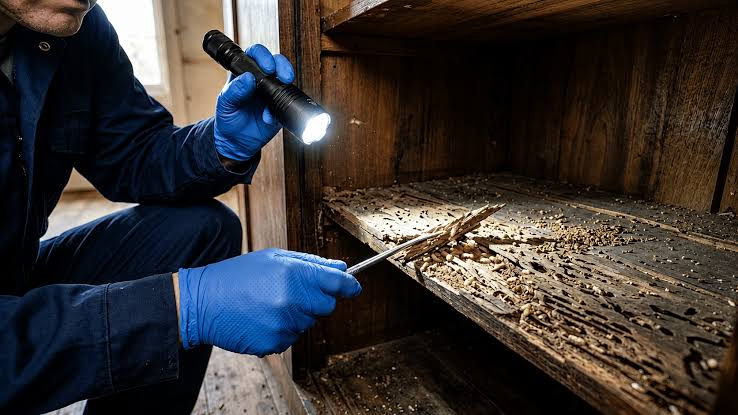
During the inspection, the professional may look for evidence of insects or wood damage. They might notice damaged wooden surfaces, small holes, discarded wings, or signs of moisture that could attract termites.
However, finding termites is not always the main purpose of a general inspection.
A home inspector may mention possible pest concerns in their report, but many are not licensed pest control specialists who perform detailed termite evaluations.
Why Termite Damage Can Be Difficult to Detect
Termites are known as “silent destroyers” because they often damage homes from the inside before visible signs appear.
Unlike problems such as broken windows or leaking pipes, termite activity can remain hidden for years.
Some reasons termite damage is difficult to discover include:
Termites Hide Inside Wooden Structures
Many termite colonies live inside walls, floor systems, roof structures, and wooden supports. The exterior surface of the material may look normal while the inside has already been weakened.
An inspector cannot usually remove walls, flooring, or other building materials during a standard inspection.
Early Damage May Look Minor
Initial termite damage may not appear serious. Small cracks, soft wood areas, or slight discoloration can be mistaken for normal aging or moisture-related issues.
Without specialized knowledge, it can be difficult to determine whether the damage is caused by termites, other insects, or general deterioration.
Limited Access Areas
Certain parts of a home are naturally difficult to inspect, including:
- Finished basements
- Closed crawl spaces
- Areas behind insulation
- Wall cavities
- Under flooring
- Furniture-covered sections
If termites are active in these areas, a visual inspection may not reveal the problem.
Signs That May Indicate Termite Problems
Although termites can be hidden, homeowners and buyers should know common warning signs.
Hollow-Sounding Wood
When termites consume wood from the inside, tapping the surface may produce a hollow sound. This does not always confirm termite damage, but it can indicate a problem that needs further investigation.
Mud Tubes
Subterranean termites often build small mud tunnels to travel between their colony and food sources. These tubes may appear along:
- Foundation walls
- Basement areas
- Exterior walls
- Wooden structures near soil
Discarded Wings
After termites reproduce, they may leave behind discarded wings near windows, doors, or other entry points.
Doors and Windows Becoming Difficult to Open
Termite damage can affect wooden frames and structural components, causing doors or windows to stick due to changes in the surrounding material.
Damaged or Bubbling Wood Surfaces
Paint that appears blistered, cracked, or uneven may sometimes hide underlying wood damage.
Should Buyers Get a Separate Termite Inspection?
For many home purchases, especially in areas where termites are common, a separate termite inspection is a wise decision.
A professional pest inspection is specifically designed to identify:
- Active termite colonies
- Previous termite damage
- Conditions that attract termites
- Other wood-destroying insects
- Recommended treatment options
Some regions require a termite inspection before certain real estate transactions, while others leave it entirely to the buyer.
Even if it is not mandatory, the cost of a termite inspection is usually small compared with the potential expense of repairing major structural damage.
How Much Can Termite Damage Cost?
The cost of termite repairs varies depending on the severity of the problem.
Minor issues may involve:
- Localized wood replacement
- Treatment applications
- Preventive measures
More serious infestations can require:
- Structural repairs
- Replacement of damaged beams
- Floor system repairs
- Wall reconstruction
- Long-term pest management
The most expensive situations usually occur when termite damage affects important structural components that support the home.
This is why discovering termite issues before closing gives buyers more options.
What Buyers Should Do Before Closing
A careful buyer should not rely on only one inspection report when purchasing a property.
Consider these steps before completing the purchase:
Review the Inspection Report Carefully
Look beyond obvious problems. Pay attention to mentions of:
- Moisture issues
- Damaged wood
- Foundation concerns
- Limited access areas
- Signs of insects
Even small warnings may require additional investigation.
Ask About Previous Treatments
Ask the seller whether the property has experienced termite problems before. Request documentation for previous treatments, warranties, or repairs if available.
A home with past termite activity is not necessarily a bad purchase, but buyers should understand the history.
Inspect Areas Around the Exterior
Termites often enter homes from the ground. Buyers should look at:
- Soil touching wooden structures
- Poor drainage near foundations
- Old tree stumps near the house
- Firewood stored against walls
- Cracks around foundation areas
These conditions can increase termite risks.
Consider Negotiating Repairs
If termite damage is discovered before closing, buyers may negotiate with the seller. Possible solutions include:
- Requesting professional treatment
- Asking for repair credits
- Reducing the purchase price
- Requiring structural repairs before purchase
The best option depends on the severity of the damage and the local real estate market.
Can a Home With Termite Damage Still Be Worth Buying?
Yes, a home with termite history can still be a good investment. Termite problems are common and treatable when properly managed.
The important factors are:
- How much damage exists
- Whether the termites are active
- Whether repairs were completed correctly
- Whether preventive measures are in place
- Whether the price reflects the property’s condition
A property with documented treatment and repairs may be safer than a home with no inspection history at all.
Final Thoughts
A home inspection is an essential part of the buying process, but it is not a guarantee that every hidden problem will be discovered. Termite damage is one of the issues that can go unnoticed because these pests often work behind walls, under floors, and inside wooden structures.
Buyers should understand the difference between a general home inspection and a specialized termite inspection. Taking extra steps before closing can prevent unexpected repair costs and provide greater confidence in the purchase.
A few hours of additional investigation can protect one of the largest investments most people will ever make.