Simple Home Upgrades That Make Everyday Living Better
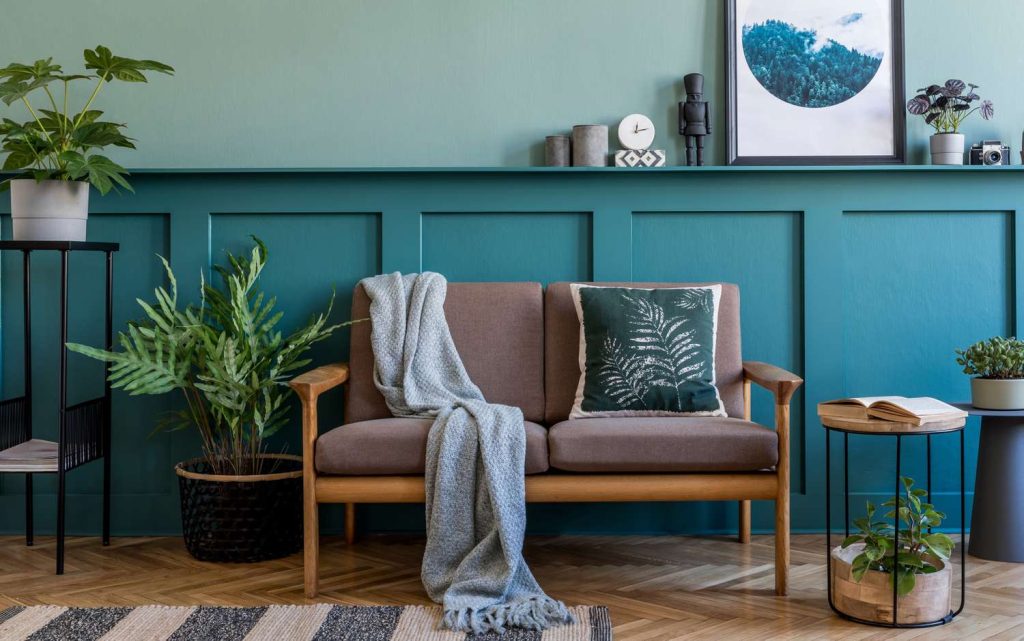
A comfortable home is not always the result of expensive renovations or major design changes. Sometimes, the smallest improvements have the biggest impact on how a space looks, feels, and functions. From better lighting and smarter storage to energy-efficient appliances and thoughtful decorations, simple home upgrades can make everyday routines easier and more enjoyable.
Modern homeowners are increasingly interested in practical improvements that combine comfort, functionality, and style. Whether someone lives in a small apartment or a spacious family house, making a few carefully selected changes can create a more welcoming environment without requiring a large budget.
1. Improve Lighting for a More Comfortable Atmosphere
Lighting plays an important role in the appearance and functionality of any home. Poor lighting can make rooms feel smaller, darker, and less inviting, while a well-planned lighting arrangement can completely transform the atmosphere.
One simple improvement is to replace outdated bulbs with energy-efficient LED lighting. LEDs consume less electricity, last longer, and are available in different brightness levels and color temperatures.
Warm lighting works particularly well in bedrooms and living rooms because it creates a relaxing atmosphere. Brighter, cooler lighting is often more suitable for kitchens, bathrooms, and workspaces where visibility matters.
Adding table lamps, floor lamps, or under-cabinet lighting can also improve convenience. Instead of relying on one central ceiling light, homeowners can create different lighting options for different activities.
2. Create Smarter Storage Solutions
A cluttered home can make everyday activities unnecessarily difficult. Finding household items, keeping surfaces clean, and maintaining an organized environment becomes easier when everything has a suitable place.
Fortunately, improving storage does not always require purchasing expensive furniture.
Floating shelves are an excellent option for making use of empty wall space. Storage baskets can organize smaller belongings, while drawer dividers help keep kitchen utensils, accessories, and personal items neatly arranged.
In smaller homes, multifunctional furniture can make a noticeable difference. Beds with built-in drawers, storage ottomans, and foldable tables provide additional functionality without occupying unnecessary space.
A simple rule is to prioritize storage solutions that match daily habits. Frequently used belongings should remain accessible, while seasonal or rarely needed items can be stored separately.
3. Upgrade Your Kitchen for Everyday Convenience
The kitchen is one of the busiest areas of any home. Small improvements in this space can save time, reduce frustration, and make meal preparation more enjoyable.
Start by organizing countertops and keeping frequently used cooking equipment within easy reach. Installing additional cabinet organizers or pull-out storage trays can also make better use of available space.
Replacing old cabinet handles is another affordable way to refresh the kitchen. Modern handles can give existing cabinets a cleaner appearance without requiring a complete replacement.
Homeowners can also consider installing a practical backsplash to protect walls from cooking splashes and make cleaning easier. Even small additions, such as better sink fixtures or improved task lighting, can contribute to a more functional kitchen.
The goal is not necessarily to create a showroom-style kitchen. It is to design a space that supports everyday activities efficiently.
4. Make Your Home More Energy Efficient
Energy efficiency is becoming an important consideration for homeowners who want to reduce household expenses and make responsible lifestyle choices.
One of the easiest upgrades is replacing traditional light bulbs with LEDs. Other practical improvements include sealing gaps around doors and windows, using appropriate window coverings, and maintaining heating and cooling equipment.
Draft-proofing is particularly useful because small openings can allow conditioned air to escape. Weatherstripping around doors and windows can help maintain indoor temperatures and reduce unnecessary energy consumption.
Smart thermostats and programmable controls can provide additional convenience by helping homeowners manage indoor temperatures according to their routines.
Even simple habits, such as switching off unused lights and unplugging unnecessary devices, can support a more energy-conscious household.
5. Refresh Walls With Simple Decorative Changes
Walls have a significant influence on the overall appearance of a room. However, improving them does not necessarily require expensive artwork or professional interior design services.
A fresh coat of paint can make an older room feel brighter and cleaner. Neutral shades such as soft white, beige, and light grey offer flexibility, while subtle accent colors can introduce personality.
Wall-mounted frames, decorative mirrors, and simple artwork are other ways to add character. Mirrors are especially useful in smaller rooms because they reflect natural light and can create the impression of additional space.
Removable wallpaper and decorative wall panels are also worth considering for people who want a noticeable change without committing to a permanent renovation.
The most effective approach is to choose decorations that complement existing furniture rather than filling every available wall with accessories.
6. Improve Bathroom Functionality
Bathrooms are used throughout the day, making comfort and convenience especially important in this space.
Simple upgrades can improve both appearance and practicality. Replacing an outdated showerhead, installing a better bathroom mirror, or updating cabinet handles can create a fresher look without major construction.
Additional shelves can provide convenient storage for towels and toiletries. Hooks behind doors can help keep frequently used items organized, while a well-designed vanity organizer can reduce countertop clutter.
Proper ventilation is another important consideration. A suitable exhaust fan helps remove excess moisture, reducing the likelihood of condensation and damp-related problems.
Small improvements in bathroom organization can make morning and evening routines more comfortable while helping maintain a cleaner environment.
7. Bring More Natural Elements Indoors
Natural elements can make living spaces feel calmer and more inviting. Indoor plants are a simple way to introduce color, texture, and visual interest.
Options such as snake plants, pothos, and spider plants are popular choices because they can adapt to a range of indoor conditions. However, plant selection should always consider available sunlight, watering requirements, and household safety.
Natural materials can also improve the appearance of a room. Wooden accessories, cotton cushions, woven baskets, and linen curtains add texture without making a space feel overly decorated.
If maintaining indoor plants is difficult, small decorative arrangements or low-maintenance greenery can provide a similar visual effect.
The objective is to create a balanced environment that feels connected to nature without adding unnecessary maintenance.
8. Make Your Entryway More Practical
The entryway is often overlooked, even though it is one of the most frequently used areas of a home.
A few simple additions can make this space much more useful. A shoe rack helps prevent footwear from spreading throughout the house, while wall hooks provide convenient places for coats, bags, and keys.
A small bench can also make putting on or removing shoes easier. If space is limited, a narrow console table or wall-mounted organizer may provide enough storage without blocking movement.
Keeping the entrance organized creates a positive first impression and makes leaving or returning home less stressful.
9. Introduce Smart Home Features Gradually
Technology has made it easier to manage everyday household activities. Smart home devices can improve convenience, provide additional control, and help homeowners manage energy consumption.
Smart plugs are a practical starting point because they allow compatible appliances to be controlled through a smartphone or scheduled to operate at specific times.
Smart bulbs offer adjustable brightness and lighting schedules, while video doorbells can provide visitors notifications and remote viewing features.
However, adding technology should not become an unnecessary expense. Homeowners should consider their actual needs, device compatibility, privacy settings, and long-term maintenance before purchasing smart equipment.
A few useful devices are often more valuable than filling a home with technology that rarely gets used.
10. Create a More Comfortable Work and Relaxation Area
As home-based activities become increasingly common, having a comfortable space for work, reading, or personal projects can improve everyday life.
A dedicated workspace does not need an entire room. Even a small desk near a window can provide a practical area for focused activities.
Choose a comfortable chair, organize cables, and ensure that the desk has enough lighting. Keeping unnecessary objects away from the workspace can also make it easier to concentrate.
For relaxation, consider creating a separate corner with a comfortable chair, soft lighting, and a small bookshelf. This simple arrangement can encourage people to spend more time reading, enjoying hobbies, or taking breaks from digital devices.
11. Maintain Floors and Improve Everyday Safety
Flooring has a major influence on the comfort and safety of a home. Although replacing an entire floor can be expensive, regular maintenance and small improvements can make a noticeable difference.
Cleaning floors with suitable products helps preserve their appearance and prevent unnecessary damage. Area rugs can introduce warmth and improve comfort in selected spaces.
Non-slip mats are particularly useful in bathrooms and other areas where floors may become wet. Securing loose rugs and removing obstacles from walkways can also reduce the risk of accidental trips.
Homeowners should pay attention to damaged floorboards, uneven surfaces, and loose tiles. Addressing these issues early can prevent more expensive repairs later.
12. Develop a Simple Home Maintenance Routine
Even the best home improvements require regular attention. A basic maintenance routine helps prevent minor problems from becoming expensive repairs.
Cleaning air filters, checking plumbing fixtures, inspecting window seals, and keeping drainage areas clear are examples of tasks that can support a well-maintained property.
It is also useful to inspect smoke alarms and other essential safety equipment regularly. Homeowners should follow manufacturer instructions and local safety recommendations when maintaining these devices.
Rather than attempting every task at once, divide maintenance activities into manageable weekly, monthly, and seasonal responsibilities.
A little consistency can protect household investments and help maintain a comfortable living environment.
Why Small Home Improvements Matter
Home improvement is not simply about making a property look attractive. It is about creating an environment that supports the people living in it.
Better lighting can make daily activities easier. Organized storage can reduce unnecessary stress. Energy-efficient equipment can help manage household expenses, while practical bathroom and kitchen upgrades can save time.
These changes may appear modest individually, but their combined effect can significantly improve everyday living.
Homeowners looking for practical inspiration can explore punsway.com for ideas and insights that encourage thoughtful lifestyle choices and useful everyday improvements. The most valuable upgrades are often those that solve genuine household problems rather than simply following temporary design trends.
Final Thoughts
Creating a better home does not require a complete renovation or an unlimited budget. Simple changes, such as improving lighting, organizing storage, refreshing walls, and introducing practical technology, can make ordinary routines more comfortable.
The best approach is to identify the areas that need attention and prioritize improvements according to usefulness, affordability, and long-term value.
Start with one small project, evaluate the difference it makes, and gradually move toward other improvements. With thoughtful planning and regular maintenance, even modest upgrades can turn an ordinary living space into a more functional, comfortable, and enjoyable home.