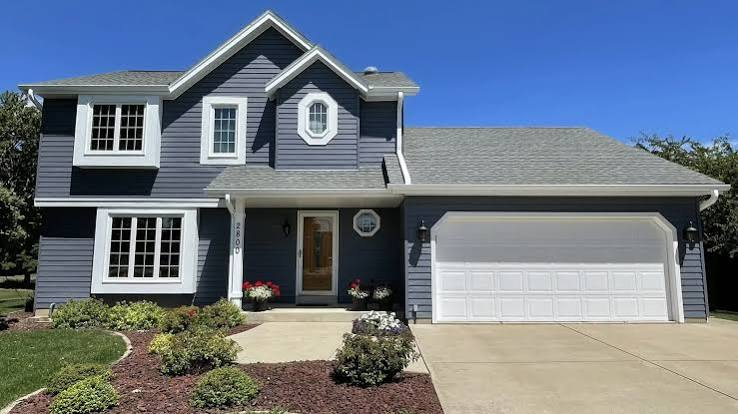
The exterior walls of a residential property are constantly exposed to changing weather conditions, sunlight, moisture, pollution, and temperature fluctuations. Over time, these environmental factors can damage surfaces, reduce visual appeal, and affect the structural durability of a building. This is why modern homeowners are increasingly investing in residential exterior paint technologies for long lasting protection.
Exterior paint is no longer limited to improving the appearance of a house. Advanced paint technologies now provide multiple protective benefits, including resistance against water damage, ultraviolet radiation, mold growth, dirt accumulation, and temperature changes.
Modern exterior coatings combine advanced chemistry, durable pigments, and protective additives to create surfaces that maintain their appearance while extending the life of residential structures.
From heat-reflective coatings and weather-resistant paints to self-cleaning and eco-friendly solutions, today’s exterior paint options help homeowners create beautiful and durable homes with reduced maintenance requirements.
This comprehensive guide explains modern exterior paint technologies, their benefits, types, applications, selection factors, and future trends in residential construction.
Importance of Exterior Paint Protection in Residential Homes
The exterior surface of a home acts as the first protective barrier against environmental conditions.
Without proper exterior paint protection, buildings may experience:
- Wall cracks
- Moisture penetration
- Paint fading
- Mold growth
- Surface deterioration
- Reduced property appearance
A high-quality exterior paint system protects the building structure while maintaining its visual appeal.
How Modern Exterior Paint Technologies Work
Advanced exterior paints are designed using specialized formulas that improve performance.
They typically contain:
- Protective resins
- UV-resistant pigments
- Water-repellent additives
- Anti-fungal agents
- Flexible binders
These components help paint surfaces withstand harsh outdoor conditions.
Modern exterior coatings provide:
- Better adhesion
- Longer lifespan
- Improved color retention
- Resistance against environmental damage
Types of Residential Exterior Paint Technologies
1. Acrylic Exterior Paint
Acrylic paint is one of the most commonly used exterior paint solutions for residential buildings.
It uses acrylic polymers that provide flexibility and durability.
Benefits of Acrylic Exterior Paint
- Excellent weather resistance
- Strong color retention
- Quick drying
- Good surface flexibility
- Resistance to cracking
Acrylic paints are suitable for:
- Concrete walls
- Brick surfaces
- Plaster finishes
- Cement-based structures
2. Elastomeric Exterior Coatings
Elastomeric coatings are thicker than traditional paints and designed to cover small surface cracks.
They create a flexible protective membrane.
Advantages
- Waterproof protection
- Crack resistance
- Excellent durability
- Suitable for extreme climates
These coatings are especially useful for homes located in areas with heavy rainfall or temperature changes.
3. Heat Reflective Exterior Paint
Heat-reflective paints are becoming popular in regions with hot climates.
They contain reflective pigments that reduce heat absorption from sunlight.
Benefits
- Keeps exterior surfaces cooler
- Reduces indoor heat transfer
- Improves energy efficiency
- Lowers cooling demand
These paints are commonly applied on:
- Exterior walls
- Roof surfaces
- Concrete structures
4. Waterproof Exterior Paint Coatings
Waterproof paints protect buildings from moisture penetration.
They create a protective barrier that prevents:
- Water absorption
- Dampness
- Surface deterioration
Ideal Applications
- Rain-prone areas
- Basement walls
- Exterior concrete surfaces
5. Anti-Mold and Anti-Fungal Paint
Humidity can encourage mold and fungus growth on exterior walls.
Anti-fungal paints contain special additives that reduce microbial growth.
Benefits
- Cleaner wall appearance
- Better hygiene
- Reduced maintenance
- Longer paint life
They are especially useful in humid climates.
6. Self-Cleaning Exterior Paint Technology
Self-cleaning paints use advanced surface technology to reduce dirt accumulation.
Some coatings use:
- Hydrophobic properties
- Photocatalytic materials
These help surfaces resist dust and pollution.
Advantages
- Less frequent cleaning
- Maintains appearance longer
- Reduces maintenance costs
7. Nano Technology Exterior Coatings
Nanotechnology-based paints use extremely small particles to improve performance.
They provide:
- Better protection
- Improved durability
- Enhanced UV resistance
- Water resistance
These coatings represent the future of advanced residential protection.
Comparison of Exterior Paint Technologies
| Paint Technology | Main Benefit | Best Application |
|---|---|---|
| Acrylic Paint | Durability and flexibility | General homes |
| Elastomeric Coating | Crack protection | Harsh climates |
| Heat Reflective Paint | Temperature control | Hot regions |
| Waterproof Coating | Moisture protection | Rain-prone areas |
| Anti-Fungal Paint | Mold prevention | Humid locations |
| Self-Cleaning Paint | Low maintenance | Premium homes |
| Nano Coating | Advanced protection | Luxury construction |
Benefits of Advanced Exterior Paint Systems
1. Long-Term Weather Protection
Modern exterior paints protect homes from:
- Rain
- Sunlight
- Wind
- Temperature changes
This reduces surface damage over time.
2. Improved Energy Efficiency
Heat-reflective coatings reduce heat absorption, helping maintain more comfortable indoor temperatures.
This can reduce dependence on:
- Air conditioning
- Cooling systems
3. Enhanced Home Appearance
Exterior color and finish strongly influence property aesthetics.
Modern paints provide:
- Better color depth
- Premium finishes
- Long-lasting appearance
4. Reduced Maintenance Costs
Durable coatings require fewer repainting cycles, saving homeowners money over time.
5. Increased Property Value
A well-maintained exterior improves:
- First impressions
- Market appeal
- Property value
Exterior Paint Finishes for Modern Residential Designs
Matte Finish
Matte finishes provide a sophisticated and elegant appearance.
They are commonly used in modern architectural designs.
Benefits:
- Hides minor surface imperfections
- Creates a premium look
Satin Finish
Satin finishes offer a balance between appearance and durability.
They are easier to clean than matte surfaces.
Gloss Finish
Gloss finishes create a reflective appearance.
They are often used for:
- Doors
- Decorative exterior elements
- Architectural highlights
Textured Exterior Finishes
Textured coatings add depth and character.
They can imitate:
- Stone
- Concrete
- Natural surfaces
Factors to Consider When Choosing Exterior Paint
Climate Conditions
Weather plays an important role in paint selection.
Examples:
Hot climates require:
- Heat-reflective coatings
- UV-resistant paints
Humid areas require:
- Anti-fungal protection
- Waterproof coatings
Building Material
Different surfaces require different paint systems.
Common surfaces include:
- Concrete
- Brick
- Wood
- Metal
Paint Durability
Homeowners should consider:
- Expected lifespan
- Maintenance requirements
- Environmental exposure
Color Selection
Exterior colors affect:
- Heat absorption
- Visual appearance
- Architectural style
Light colors usually reflect more sunlight, while darker shades absorb more heat.
Modern Exterior Paint Color Trends
Neutral Architectural Colors
Popular modern colors include:
- Soft gray
- Beige
- White
- Earth tones
These create timeless appearances.
Natural Inspired Colors
Modern homes increasingly use:
- Stone-inspired shades
- Green tones
- Warm browns
Contrast Designs
Combining different colors creates architectural depth.
Examples:
- Dark exterior walls with light trims
- Neutral walls with bold accents
Exterior Paint Application Process
A professional painting process usually includes:
Surface Preparation
The surface is cleaned and repaired before painting.
This includes:
- Removing old paint
- Fixing cracks
- Cleaning dirt and moisture
Primer Application
Primer improves paint adhesion and durability.
Paint Application
Multiple coats are applied for proper coverage and protection.
Final Inspection
The finished surface is checked for:
- Uniform color
- Proper coverage
- Surface quality
Common Exterior Painting Mistakes
Using Low-Quality Paint
Cheap paints often fade and deteriorate faster.
Ignoring Surface Preparation
Poor preparation reduces paint lifespan.
Choosing Incorrect Paint Type
Exterior surfaces require specialized outdoor coatings.
Painting During Poor Weather
Extreme temperatures or moisture can affect paint performance.
Future Trends in Residential Exterior Paint Technology
The future of exterior coatings focuses on smarter and more sustainable solutions.
Emerging technologies include:
Solar Reflective Coatings
These improve energy efficiency by reducing heat absorption.
Smart Color Changing Paints
Future coatings may adjust appearance based on environmental conditions.
Eco-Friendly Low VOC Paints
Sustainable paints reduce harmful emissions and improve indoor and outdoor environmental quality.
Advanced Protective Nanocoatings
Nano-based solutions will provide stronger resistance against:
- UV damage
- Moisture
- Pollution
Frequently Asked Questions (FAQs)
What is the best exterior paint for long-lasting protection?
Acrylic, elastomeric, and advanced waterproof coatings are among the best options depending on climate and building conditions.
How long does exterior house paint last?
High-quality exterior paint can last several years when properly applied and maintained.
Which exterior paint is best for hot climates?
Heat-reflective and UV-resistant paints are ideal for homes located in hot regions.
Can exterior paint prevent water damage?
Waterproof exterior coatings help reduce moisture penetration and protect walls from water-related damage.
Is expensive exterior paint worth the investment?
Yes. Higher-quality paints usually provide better durability, protection, and longer lifespan.
How often should a house exterior be repainted?
The repainting period depends on paint quality, climate, and exposure conditions.
Conclusion
Residential exterior paint technologies have evolved significantly, offering homeowners more than just decorative improvements. Modern coatings provide advanced protection against weather damage, moisture, UV radiation, and environmental challenges.
From acrylic paints and elastomeric coatings to heat-reflective and nanotechnology solutions, homeowners can choose protective systems that match their climate, budget, and design preferences.
Investing in high-quality exterior paint is a long-term decision that improves home durability, reduces maintenance costs, enhances energy efficiency, and preserves the beauty and value of residential properties.