GLP-1 Weight Loss Drugs and Their Unexpected Impact on Food, Fitness, Fashion, and Lifestyle Brands
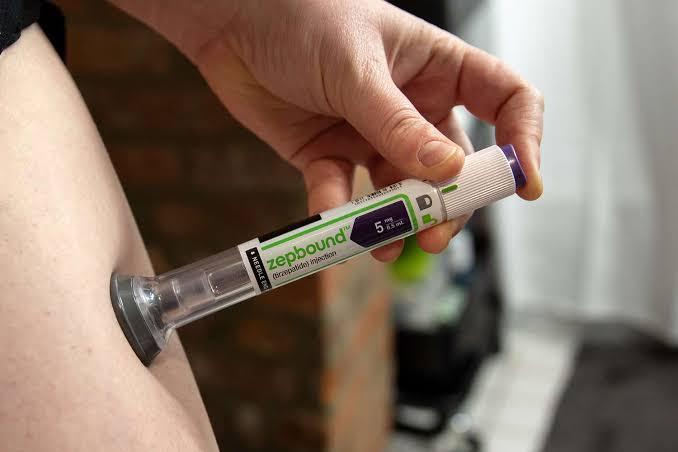
GLP-1 weight loss medications have become one of the biggest health and consumer trends of recent years. Originally developed for managing conditions such as type 2 diabetes, these medications are now influencing far more than healthcare decisions. They are changing how people eat, shop, exercise, dress, travel, and spend money.
The impact is expanding beyond pharmacies and medical providers. Food companies, fitness businesses, clothing brands, restaurants, and wellness companies are all adapting to a new type of consumer whose priorities are shifting from quantity and indulgence toward health, nutrition, convenience, and personal transformation.
Research from consumer and consulting firms shows that GLP-1 usage is creating noticeable changes in grocery purchases, apparel spending, fitness habits, and lifestyle choices.
This shift represents a major change in consumer behavior, and businesses that understand it early may have opportunities to create products and experiences that match the needs of this growing market.
Why GLP-1 Medications Are Creating a New Consumer Category
Traditional weight loss industries focused heavily on diets, exercise programs, supplements, and motivation. GLP-1 medications have introduced a different approach by affecting appetite regulation and changing how people interact with food.
For many users, the experience is not simply about losing weight. It can become a broader lifestyle reset.
People may begin to:
- Choose different foods
- Reduce impulse purchases
- Prioritize protein and nutrition
- Buy new clothing sizes
- Explore different fitness routines
- Invest in wellness products
- Change social habits around eating
This creates a consumer category that is not defined only by weight loss but by changing personal priorities.
According to research from BCG, GLP-1 users are adjusting spending across multiple categories, including food, apparel, fitness, and self-care products.
How GLP-1 Drugs Are Changing Food and Beverage Businesses
One of the clearest impacts is happening in the food industry.
For decades, many food companies built successful businesses around larger portions, snacks, sugary drinks, and convenience foods. However, reduced appetite and changing eating habits are pushing consumers toward different choices.
Many GLP-1 users are becoming more interested in:
- High-protein foods
- Fiber-rich products
- Nutrient-dense meals
- Smaller portion options
- Functional beverages
- Health-focused snacks
Consumer research has found reductions in categories such as sweets, salty snacks, sugary drinks, and alcohol among many GLP-1 users, while demand increases for protein, produce, and wellness-focused products.
This does not mean people stop enjoying food completely. Instead, the relationship with food changes.
A person who previously purchased large quantities of snacks may now prefer premium smaller portions or foods that provide more nutritional value.
This creates opportunities for food brands to rethink:
- Product sizes
- Ingredient quality
- Packaging
- Nutrition messaging
- Meal solutions
Restaurants Are Rethinking Menus and Portion Sizes
The restaurant industry is also watching these changes closely.
Many traditional restaurant models depend on customers ordering large meals, appetizers, desserts, and drinks. However, consumers with reduced appetite may approach dining differently.
Future restaurant trends may include:
- Smaller portion options
- Higher-quality ingredients
- Protein-focused meals
- More flexible menu choices
- Better nutritional transparency
Instead of competing only on quantity, restaurants may need to focus more on experience, flavor, and quality.
The idea of “more food for the money” may become less attractive for some customers who prioritize wellness.
The Fitness Industry Is Moving Beyond Weight Loss
The fitness industry is also experiencing a major shift.
For years, many people joined gyms with the goal of losing weight. But with GLP-1 medications helping with weight reduction, fitness businesses are increasingly focusing on maintaining strength, improving health, and preserving muscle.
This creates demand for:
- Strength training programs
- Personal coaching
- Resistance workouts
- Recovery services
- Nutrition guidance
A major concern among health professionals is that weight loss should be supported with proper nutrition and muscle maintenance. This means fitness brands may have an opportunity to create programs designed specifically for people experiencing body changes.
Consumer data shows interest in fitness activities, wearables, and health monitoring among GLP-1 users.
The future of fitness may become less about simply burning calories and more about building a healthier lifestyle.
Fashion Brands Are Facing a New Shopping Pattern
The fashion industry may be one of the most unexpectedly affected sectors.
Weight changes often create immediate wardrobe challenges. People may need different sizes, new styles, and clothing that matches their changing confidence and identity.
Research indicates that many GLP-1 users experience clothing size changes and some switch apparel brands because their previous clothing no longer fits their needs.
This creates both challenges and opportunities for fashion companies.
Brands may need to rethink:
- Inventory planning
- Size availability
- Flexible designs
- Exchange policies
- Transitional clothing collections
Instead of only designing for fixed body sizes, fashion companies may explore adaptable clothing that works during periods of body change.
The Growth of Wellness and Self-Care Markets
GLP-1 users are often becoming more interested in broader wellness habits.
As people focus more on health improvement, they may invest in:
- Fitness equipment
- Health tracking devices
- Skincare
- Supplements
- Sleep improvement products
- Wellness services
This means the GLP-1 trend is not limited to weight management. It connects with a much larger movement toward personalized health.
Brands that understand this connection can create products that support long-term lifestyle changes instead of focusing only on short-term transformation.
Travel and Lifestyle Habits Are Also Changing
Travel behavior may also be influenced by changing health priorities.
Some consumers may become more interested in:
- Wellness retreats
- Active vacations
- Outdoor experiences
- Health-focused destinations
Traditional luxury was often associated with expensive dining, alcohol, and indulgence. However, a growing group of consumers may define luxury through experiences, wellness, comfort, and personal improvement.
The travel industry may need to consider how changing consumer values affect destination marketing and experiences.
Challenges Brands Need to Consider
Although GLP-1 medications create opportunities, businesses should avoid treating users as a single consumer group.
People use these medications for different reasons, including medical needs, weight management, and personal health goals.
Brands should avoid:
- Creating insensitive marketing
- Reducing customers to their weight
- Promoting unrealistic expectations
- Ignoring long-term health considerations
Successful companies will focus on supporting consumers rather than simply using the trend as a marketing opportunity.
The Future of Consumer Markets After GLP-1 Adoption
GLP-1 medications represent a larger change in how people think about health and consumption.
The biggest shift is not only that people may eat less or lose weight. The deeper change is that many consumers are becoming more intentional about their choices.
They are asking:
- Is this product improving my health?
- Does this fit my lifestyle?
- Does this support my goals?
- Is this worth spending money on?
Businesses across food, fashion, fitness, and lifestyle industries will need to adapt to these changing expectations.
The companies that succeed will likely be those that understand the complete customer journey. GLP-1 users are not just buying weight loss solutions; they are rebuilding routines, identities, wardrobes, and lifestyles.
As this trend continues, the influence of GLP-1 medications may become one of the most significant examples of how healthcare innovation can reshape everyday consumer behavior.