Modern Flooring Options Compared: Durability, Maintenance, Cost, and Design Considerations
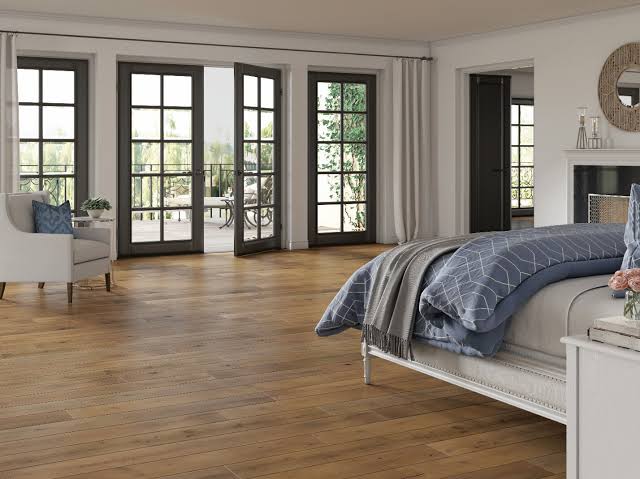
Choosing the right flooring is one of the most important decisions in any home improvement project. Flooring affects how a space looks, feels, and functions every day. Whether you’re building a new home, renovating a single room, or replacing worn-out floors, selecting the right material can improve comfort, increase property value, and reduce long-term maintenance costs.
Today’s flooring market offers far more choices than it did a decade ago. Homeowners can choose from hardwood, luxury vinyl, laminate, tile, engineered wood, concrete, bamboo, cork, and many other materials. Each option comes with its own strengths, weaknesses, maintenance needs, and price range.
Understanding how different flooring materials compare makes it easier to invest in a solution that matches your lifestyle, budget, and design preferences.
What Should You Consider Before Choosing Flooring?
Many people focus only on appearance, but flooring should be selected based on several practical factors.
Ask yourself questions like:
- How much foot traffic will the room receive?
- Will pets or children use the space?
- Is the room exposed to moisture?
- How much maintenance are you willing to do?
- What is your renovation budget?
- Do you plan to stay in the home for many years?
The answers help narrow down the best flooring material for each room.
Hardwood Flooring
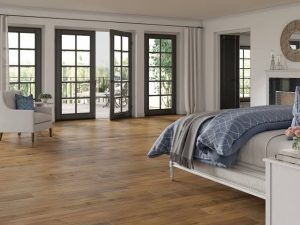
Hardwood remains one of the most desired flooring choices because of its timeless appearance and long lifespan.
Solid hardwood can last for decades when properly maintained. It can also be sanded and refinished multiple times, allowing homeowners to restore its original beauty instead of replacing it.
Advantages
- Classic and elegant appearance
- Increases home resale value
- Long lifespan
- Can be refinished several times
- Available in many wood species and finishes
Considerations
Hardwood is generally more expensive than many alternatives. It is also sensitive to excessive moisture, making it less suitable for bathrooms or laundry rooms.
Regular sweeping and occasional refinishing help maintain its appearance.
Engineered Wood Flooring
Engineered wood offers the natural beauty of hardwood while providing greater stability.
Unlike solid hardwood, engineered wood consists of multiple layers bonded together with a real hardwood surface. This construction helps reduce expansion and contraction caused by humidity.
Advantages
- More stable than solid wood
- Suitable for various climates
- Attractive natural appearance
- Easier installation options
Considerations
Although durable, engineered wood can only be refinished a limited number of times depending on the thickness of its top layer.
Luxury Vinyl Flooring
Luxury vinyl flooring has become one of the fastest-growing flooring options in modern homes.
Available in planks and tiles, it can closely resemble hardwood, stone, or ceramic while offering impressive durability.
Advantages
- Water resistant or waterproof
- Comfortable underfoot
- Easy installation
- Affordable compared to hardwood
- Suitable for kitchens, bathrooms, and basements
Maintenance
Luxury vinyl requires simple cleaning with sweeping and damp mopping. It does not require polishing, sealing, or refinishing.
For busy households with children or pets, luxury vinyl is often one of the easiest flooring materials to maintain.
Laminate Flooring
Laminate flooring offers a budget-friendly alternative for homeowners who want the appearance of wood without the higher price.
Modern laminate products feature realistic textures and improved wear resistance.
Advantages
- Affordable
- Scratch resistant
- Easy installation
- Available in many styles
Considerations
While laminate performs well in living areas and bedrooms, prolonged exposure to standing water may cause damage. Waterproof versions are now available, but traditional laminate still requires moisture protection.
Tile Flooring
Ceramic and porcelain tiles remain popular choices for moisture-prone areas.
They are commonly installed in bathrooms, kitchens, laundry rooms, and entryways due to their excellent water resistance.
Advantages
- Extremely durable
- Waterproof
- Easy to clean
- Resistant to stains
- Available in countless colors and patterns
Considerations
Tile feels harder underfoot than many flooring materials and can feel cold during winter. Area rugs or underfloor heating systems can improve comfort.
Grout lines also require occasional cleaning and sealing to maintain their appearance.
Natural Stone Flooring
Natural stone provides a premium look that many homeowners appreciate.
Popular options include marble, granite, slate, limestone, and travertine.
Each stone has unique colors and patterns, making every installation different.
Advantages
- Luxurious appearance
- Long lifespan
- Excellent durability
- Adds property value
Considerations
Stone flooring usually costs more than other materials. Some varieties require periodic sealing to protect against stains and moisture.
Concrete Flooring
Concrete flooring has become increasingly popular in modern and industrial-style homes.
Instead of hiding concrete beneath other materials, many homeowners now polish or stain it for a decorative finish.
Advantages
- Extremely durable
- Low maintenance
- Modern appearance
- Compatible with radiant heating
Considerations
Concrete is very hard, which may not be comfortable for prolonged standing. Decorative finishes can improve its appearance while maintaining durability.
Bamboo Flooring
Bamboo has gained popularity among homeowners looking for renewable flooring materials.
Although technically a grass rather than wood, bamboo offers a similar appearance.
Advantages
- Renewable resource
- Modern appearance
- Good durability
- Available in multiple colors
Considerations
Quality varies significantly between manufacturers. Choosing high-quality bamboo flooring is important for long-term performance.
Cork Flooring
Cork provides a softer surface than many traditional flooring materials.
Its natural cushioning makes it comfortable for bedrooms, offices, and living spaces.
Advantages
- Comfortable underfoot
- Good sound insulation
- Naturally warm
- Renewable material
Considerations
Heavy furniture can leave dents over time, and moisture protection is important in wet environments.
Comparing Durability
Different flooring materials perform differently depending on daily use.
Generally speaking:
- Tile and natural stone offer excellent durability.
- Hardwood lasts for decades with refinishing.
- Luxury vinyl performs well in active households.
- Engineered wood provides strong long-term performance.
- Laminate resists scratches but may struggle with moisture.
- Bamboo and cork depend heavily on product quality.
The best flooring is not always the hardest material but the one best suited for its intended environment.
Comparing Maintenance
Maintenance requirements vary considerably.
Low-maintenance options include:
- Luxury vinyl
- Tile
- Laminate
- Concrete
Moderate maintenance includes:
- Engineered wood
- Bamboo
Higher maintenance options include:
- Hardwood
- Natural stone
- Cork
Regular cleaning extends the life of every flooring type regardless of material.
Understanding Flooring Costs
Flooring costs include more than just the material itself.
Homeowners should also consider:
- Underlayment
- Installation labor
- Floor preparation
- Removal of old flooring
- Trim replacement
- Future maintenance
While hardwood and natural stone often require higher initial investments, they may provide excellent long-term value due to their durability.
Meanwhile, laminate and luxury vinyl typically offer lower installation costs while still delivering attractive results.
Matching Flooring to Different Rooms
Not every flooring material works well everywhere.
Living rooms often benefit from hardwood, engineered wood, or luxury vinyl.
Bedrooms usually prioritize comfort, making hardwood, cork, laminate, or engineered wood attractive choices.
Bathrooms perform best with porcelain tile or waterproof luxury vinyl.
Kitchens require materials that resist spills, making tile and waterproof vinyl popular options.
Basements benefit from moisture-resistant flooring such as luxury vinyl, tile, or sealed concrete.
Selecting flooring based on room function often leads to better long-term satisfaction.
Design Considerations
Modern flooring is available in virtually every color, texture, and finish imaginable.
Wide plank flooring creates an open appearance.
Natural wood tones remain popular because they complement many interior styles.
Stone-look and concrete-look flooring continues gaining popularity in contemporary homes.
Matte finishes often hide scratches and dust better than glossy surfaces.
Consistency throughout the home can also create a more spacious and cohesive appearance.
Final Thoughts
There is no single flooring material that works perfectly for every home. The ideal choice depends on your budget, lifestyle, maintenance preferences, and the specific room where it will be installed.
Hardwood continues to offer timeless beauty, luxury vinyl provides exceptional versatility, tile excels in wet areas, laminate delivers affordability, and engineered wood balances natural appearance with improved stability. Meanwhile, materials like bamboo, cork, stone, and polished concrete offer unique advantages for homeowners seeking something different.
Before making a final decision, consider both the initial installation cost and the long-term value. A flooring investment should not only enhance your home’s appearance today but also continue performing well for years to come. By carefully comparing durability, maintenance requirements, cost, and design options, you can choose flooring that fits your needs while creating a comfortable and attractive living space.