A comfortable home should be welcoming, safe, and accessible for everyone. For individuals who use wheelchairs or have limited mobility, thoughtful home improvements can make everyday activities easier while creating a more independent living environment. Wheelchair-friendly home design focuses on removing barriers, improving movement, and creating spaces that are both practical and visually appealing.
Accessibility does not mean sacrificing style. Modern home improvements can combine universal design principles with attractive finishes, smart layouts, and comfortable features. Whether a home is being renovated for a family member, redesigned for aging in place, or improved for long-term accessibility, the right changes can greatly enhance quality of life.
Creating an accessible home is about designing spaces that work for different abilities while maintaining comfort, safety, and personal style.
Improve Entryways for Easy Access
The entrance of a home is one of the most important areas to improve when creating a wheelchair-friendly environment. A difficult entrance can limit independence and make it challenging to move safely in and out of the property.
Traditional steps can be replaced with ramps or gradual pathways that provide smooth access. A properly designed ramp should have a comfortable slope, durable surfaces, and enough width for safe wheelchair movement. The pathway should also include good lighting and protection from weather conditions where possible.
Doorways should be wide enough to accommodate wheelchairs comfortably. In many homes, widening entry doors or removing narrow thresholds can make a significant difference. Low-profile or flush thresholds help prevent wheels from getting caught while creating smoother transitions between indoor and outdoor spaces.
Automatic doors or easy-to-operate handles can provide additional convenience, especially for individuals with limited upper-body strength.
Create Spacious Interior Layouts
A wheelchair-friendly home requires enough space for easy movement. Narrow hallways, crowded furniture arrangements, and small rooms can create unnecessary challenges.
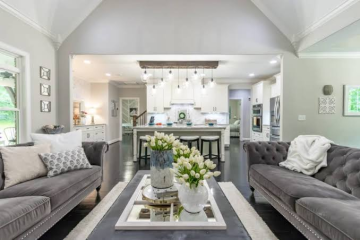
Open floor plans are often ideal because they provide better circulation and allow wheelchairs to move more freely. Rearranging furniture, removing unnecessary walls, or widening pathways can improve accessibility without requiring major construction.
Hallways should allow comfortable turning space, particularly near bedrooms, bathrooms, and kitchens. Rounded furniture edges and carefully planned layouts can also reduce obstacles and improve safety.
A well-designed accessible home should allow residents to move independently without constantly needing assistance.
Design an Accessible Kitchen
The kitchen is one of the most important areas for independent living. Traditional kitchen designs often place appliances, counters, and storage at heights that may not be convenient for wheelchair users.
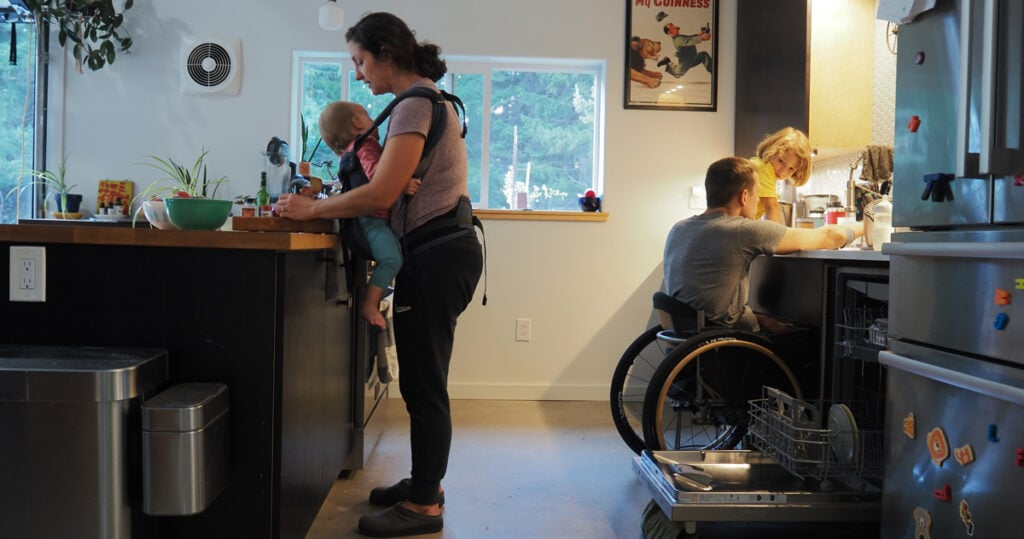
A wheelchair-friendly kitchen can include adjustable-height countertops, lower work surfaces, and easily accessible cabinets. Pull-out shelves, drawers instead of deep cabinets, and organized storage systems make it easier to reach everyday items.
Appliances should also be positioned thoughtfully. Side-opening ovens, front-control cooktops, and accessible microwaves can make cooking safer and more convenient.
Creating open space beneath certain countertops allows wheelchair users to prepare food comfortably. A well-designed kitchen should support independence while maintaining a modern and attractive appearance.
Upgrade Bathrooms for Safety and Comfort
Bathrooms are among the most important areas for accessibility improvements because they involve moisture, movement, and personal care activities.
A wheelchair-friendly bathroom should provide enough turning space and include features that improve safety. Walk-in showers with level entry are often preferred because they eliminate the need to step over high shower edges.
Grab bars should be installed in strategic locations around showers, bathtubs, and toilets. Modern grab bars are available in many styles and finishes, allowing them to blend naturally with bathroom décor.
Other useful improvements include adjustable shower heads, built-in shower seating, non-slip flooring, accessible sinks, and comfortable toilet heights.
A well-designed accessible bathroom provides independence while reducing the risk of slips and injuries.
Choose Accessible Flooring Materials
Flooring plays a major role in wheelchair mobility. Uneven surfaces, thick carpets, and slippery materials can make movement difficult.
The best flooring options are smooth, durable, and easy to maintain. Materials such as hardwood, luxury vinyl, laminate, and large-format tiles can provide a stable surface for wheelchair movement.
Transitions between different flooring materials should be minimized. If transitions are necessary, they should be flat and easy to cross.
Carpets should be low-pile and securely installed. Loose rugs should generally be avoided because they can create hazards.
Good flooring choices improve mobility while also contributing to the overall appearance of the home.
Improve Bedroom Accessibility
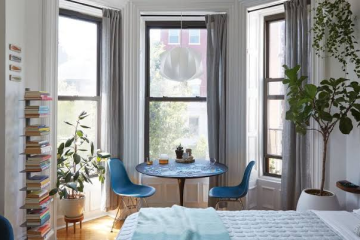
Bedrooms should be designed for comfort, independence, and easy movement. A wheelchair-friendly bedroom should provide enough space around the bed, closets, and other furniture.
The bed height is an important consideration. A comfortable height makes transferring easier and improves daily convenience. Adjustable beds may also provide additional comfort and support.
Closets should be organized with accessibility in mind. Lower hanging rods, pull-down closet systems, and easy-to-reach shelves can make clothing storage more convenient.
Creating clear pathways around furniture allows wheelchair users to move safely and comfortably throughout the room.
Install Better Lighting Systems
Good lighting improves safety and independence throughout the home. Poor visibility can increase the risk of accidents, especially in hallways, bathrooms, and entrances.
Accessible homes benefit from bright, evenly distributed lighting. Motion-sensor lights can be especially useful because they eliminate the need to operate switches manually.
Smart lighting systems can provide additional convenience by allowing users to control lights through voice commands or mobile devices.
Natural lighting should also be maximized where possible. Larger windows, lighter wall colors, and reflective surfaces can help create brighter and more welcoming interiors.
Make Storage More Accessible
Storage solutions should be designed around ease of use. Traditional cabinets and shelves may place important items too high or too deep for comfortable access.
Lower storage areas, pull-out drawers, adjustable shelving, and rotating corner units can improve functionality. In closets, clothing rods and shelves should be positioned at reachable heights.
Kitchen and bathroom storage should also be planned carefully. Frequently used items should be placed where they can be accessed easily without stretching or bending.
Accessible storage reduces frustration and allows residents to maintain greater independence.
Consider Smart Home Technology
Technology has created many opportunities to improve accessibility in modern homes. Smart home systems can increase convenience, safety, and independence.
Voice-controlled assistants can operate lights, thermostats, entertainment systems, and security features. Smart locks can make entering and securing the home easier, while automated blinds can improve comfort.
Security cameras, emergency alert systems, and smart sensors can provide additional peace of mind for residents and family members.
When technology is designed properly, it can support independent living without making the home feel complicated.
Improve Outdoor Spaces
Accessibility should extend beyond the interior of the home. Outdoor areas such as gardens, patios, and walkways should also be designed for comfortable use.
Smooth pathways, stable surfaces, and proper lighting can make outdoor spaces safer. Raised garden beds allow wheelchair users to participate in gardening activities without needing to bend or reach difficult positions.
Patios and decks should include enough space for movement and comfortable seating arrangements. Outdoor areas can become valuable extensions of the home when accessibility is considered during design.
Use Universal Design Principles
Universal design focuses on creating spaces that work for people of different ages and abilities. Instead of making a home accessible only after a problem occurs, universal design incorporates flexibility from the beginning.
Features such as wider doors, lever-style handles, open layouts, adjustable fixtures, and safer bathrooms benefit everyone. Families with children, older adults, and visitors with different mobility needs can all enjoy these improvements.
Universal design creates homes that remain comfortable and functional throughout different stages of life.
Balance Accessibility with Style
Accessible design does not have to look institutional or purely functional. Modern improvements can be customized to match any interior style.
Beautiful finishes, stylish fixtures, elegant furniture, and thoughtful layouts can create a home that is both accessible and attractive.
Many accessibility features are now available in contemporary designs, allowing homeowners to create spaces that feel warm, modern, and personal.
The best accessible homes are those where safety features naturally blend into the overall design.
Conclusion
Wheelchair-friendly home improvements create safer, more comfortable, and more independent living environments. By focusing on accessible entrances, spacious layouts, practical kitchens, safer bathrooms, smart technology, and thoughtful storage solutions, homeowners can create spaces that support mobility and everyday comfort.
Accessibility is not only about meeting a specific need—it is about designing homes that welcome everyone. With careful planning and modern design solutions, any property can become a more functional, inclusive, and enjoyable place to live.